SAN FRANCISCO — OpenAI switched on a new API tier Thursday that tries to end the usual trade-off in large models: wait for the smart answer, or take a dumber one now. Ultrafast runs GPT-5.6 Sol, the company’s flagship, at up to 750 output tokens per second — about 14 times the standard processing rate — on chips built by Cerebras, not on a denser stack of Nvidia GPUs.
The preview is limited to a small set of API customers, with a waitlist for everyone else. Neither company published a price or a general-availability date. OpenAI said access will widen “as capacity grows.”
“Until now, getting real-time speed typically meant choosing a smaller or more specialized model,” the company said. “Ultrafast points to progress in a new direction: more useful work per second.”
Why a dinner-plate chip
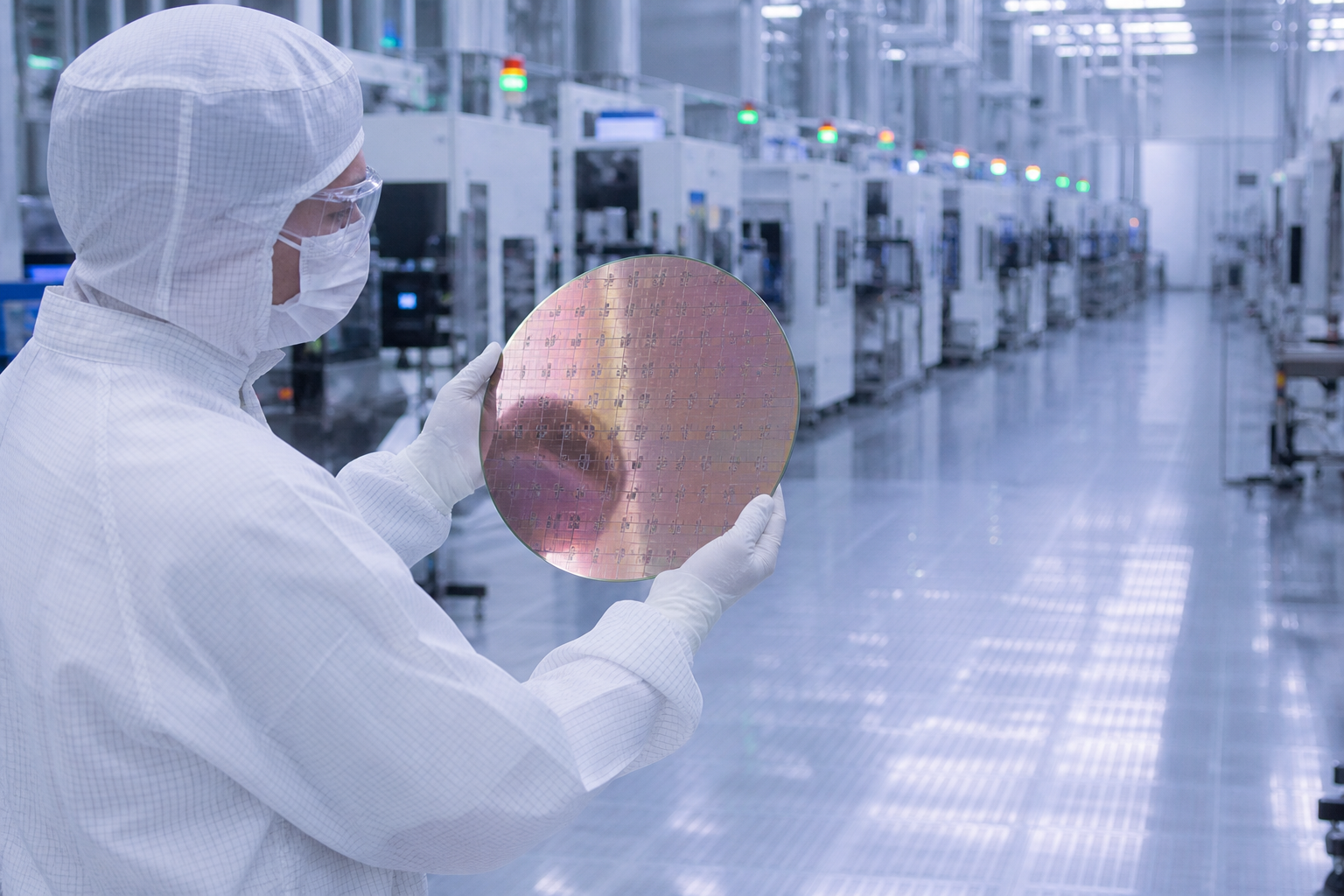
Cerebras’s argument is about memory, not just cores. On GPUs, generating each token often means shuttling model weights between on-chip memory and off-chip storage. Cerebras packs 44 gigabytes of SRAM on a wafer-sized processor so weights can stay on the chip while tokens move through pipelined layers. The company says that design is why Sol can stay at frontier quality while answering faster.
In Cerebras’s own tests, GPT-5.6 Sol on Ultrafast finished all 2,500 questions in Humanity’s Last Exam — a PhD-level benchmark — in 11 hours and 11 minutes. Anthropic’s Claude Fable 5 took 78 hours and 27 minutes on a comparable setting, according to the chipmaker. On GDP-Val, a test of economically useful knowledge work, Cerebras reported a 5.6-times end-to-end speedup with no drop in accuracy. Citing Artificial Analysis, it also claimed an 11-times speed edge over Fable 5 and a 5-times edge over Claude Opus 4.8 in Fast mode. Those figures are vendor or third-party benchmarks, not a public bake-off under identical contracts.
Who would pay for it
OpenAI is aiming the tier at work where a two-minute wait is a product failure: production outages, fraud checks, live customer voice, trading research. Rohan Varma, on product at OpenAI, said the point is AI that “keeps up with how you think, code, and collaborate.” Jeffrey Wang, an OpenAI researcher, said tasks that used to take a couple of minutes now finish before he can switch windows.
The competitive signal is as important as the tokens. Nvidia still dominates training. Inference specialists — Cerebras, Groq, Together — have spent two years arguing that purpose-built silicon wins on latency. A production OpenAI tier is the loudest proof Cerebras has landed. It is also unfinished: wafer supply, price, and whether Ultrafast spreads beyond Sol will decide if this is a niche for incident-response teams or a new default for agents.